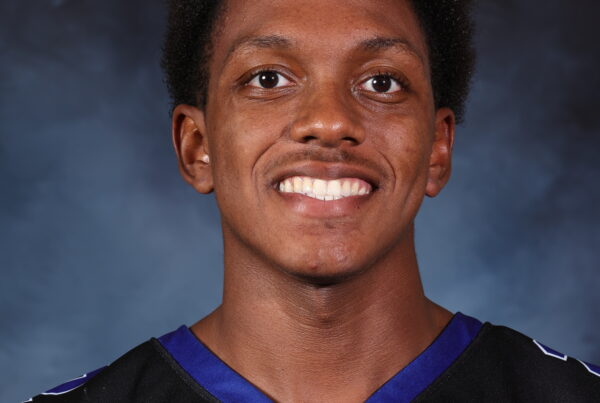
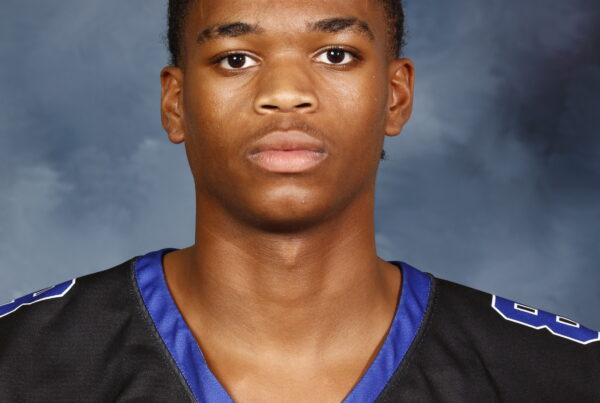
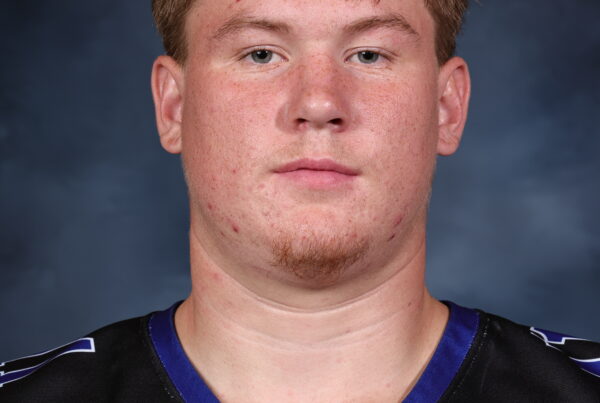
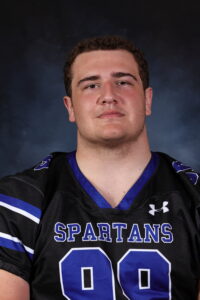
 Growing up in Charlotte, North Carolina, making 1st-team All-Conference felt great. But as I kept going, the game quickly pushed my body to its absolute limits. Taking a beating until you feel like you might break, only to get right back out there 24 hours later, is incredibly tough. The most surprising part for me, though, was the mental side of the game. Memorizing a playbook in a quiet classroom is simple enough, but out on the field, everything moves fast. Trying to process the plays, trust your instincts, and force your body into position on the fly is exhausting. That pressure teaches you that you cannot do it alone. You have to lean on your teammates while staying honest with yourself about where you stand both physically and mentally. You rely on your brothers to make split-second adjustments on the field, but that bond extends far beyond the turf. Whenever my head was completely consumed by football, they pulled me back to reality and reminded me that my education mattered just as much. Having people in your corner who prioritize your overall well-being makes all the difference, but you also have to be willing to open up, trust that support system, and protect your own physical and mental health. Real recovery never happened by accident. It took constant self-reflection, hard work, and careful planning to get my body right, whether that meant extra stretching, targeted treatment, or light movement on days off. Active recovery required total discipline. Football taught me to push through hardship, prioritize my own health, and trust the people around me, allowing me to keep loving the game at the University of Dubuque.